
Mastering Digital Marketing: Essential Strategies for Success
Table of Contents
Introduction
In today’s digital age, mastering digital marketing is crucial for any business looking to thrive. With more people spending time online, businesses must use digital channels to reach their target audience effectively. This comprehensive guide will walk you through essential digital marketing strategies to enhance your digital marketing efforts, tailored to the Indian market.

Understanding Your Audience
Identifying Your Target Market
Knowing your audience is the foundation of any successful marketing strategy. Without a clear understanding of who you are trying to reach, your efforts can become unfocused and ineffective.
- Importance of Knowing Your Audience: Understanding your target market allows you to create content and campaigns that resonate with their needs, preferences, and behaviors. It also helps you spend your marketing budget more efficiently by focusing on the channels and messages that matter most to your audience.
- Methods for Audience Research and Segmentation:
- Surveys and Questionnaires: Ask your current and potential customers about their preferences, habits, and needs.
- Social Media Insights: Use analytics tools provided by social media platforms to gather data on your followers.
- Website Analytics: Tools like Google Analytics can provide insights into your website visitors’ demographics, interests, and behaviors.
- Market Research Reports: Utilize industry reports and studies to gain a broader understanding of market trends.
Creating Buyer Personas
Creating detailed buyer personas helps in visualizing your ideal customers, making it easier to tailor your marketing efforts.
- Definition and Benefits of Buyer Personas: Buyer personas are semi-fictional representations of your ideal customers based on data and research. They help in understanding your customers better and personalizing your marketing strategies.
- Steps to Create Detailed Personas:
- Conduct Research: Gather information through surveys, interviews, and data analysis.
- Identify Patterns: Look for common characteristics and behaviors among your customers.
- Create Persona Profiles: Develop profiles that include demographics, goals, challenges, and preferences.
- Update Regularly: Continuously update your personas as you gather more data.
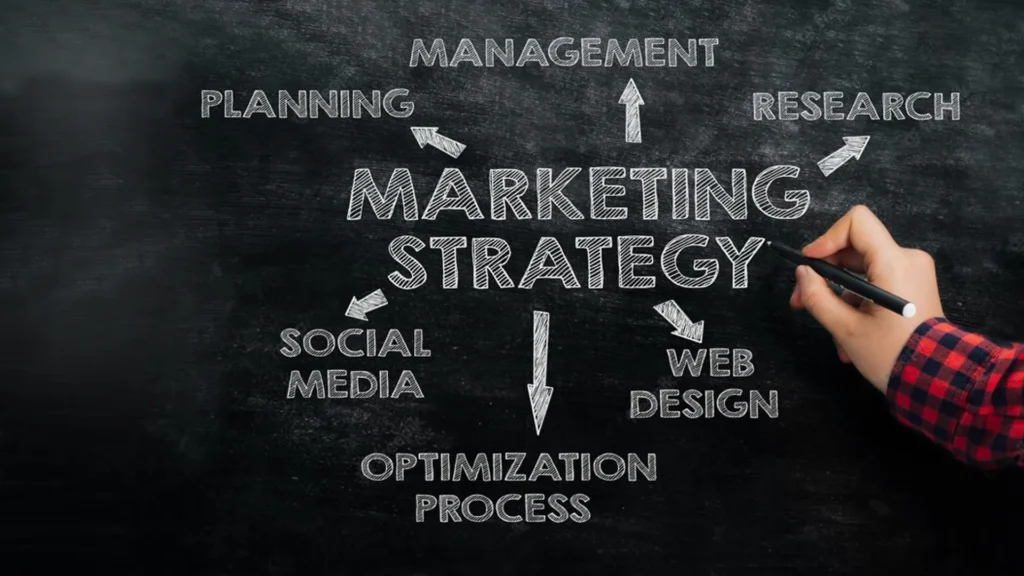
Developing a Strong Digital Marketing Strategy
Setting SMART Goals
Setting specific, measurable, achievable, relevant, and time-bound (SMART) goals is crucial for tracking the success of your digital marketing efforts.
- Explanation of SMART Goals:
- Specific: Clearly define what you want to achieve.
- Measurable: Ensure that you can track and measure your progress.
- Achievable: Set realistic goals that are attainable.
- Relevant: Align your goals with your overall business objectives.
- Time-bound: Set a deadline for achieving your goals.
- Examples of SMART Goals in Digital Marketing:
- Increase website traffic by 25% in the next six months.
- Achieve a 10% conversion rate on landing pages within three months.
- Grow email subscribers by 20% in the next quarter.
Choosing the Right Channels
Selecting the appropriate digital marketing channels is essential to reach your target audience effectively.
- Overview of Popular Digital Marketing Channels:
- SEO (Search Engine Optimization): Improving your website’s visibility on search engines.
- PPC (Pay-Per-Click Advertising): Paid ads that appear on search engines and other platforms.
- Social Media Marketing: Engaging with your audience on social media platforms.
- Email Marketing: Sending targeted messages to your email subscribers.
- Tips for Selecting the Most Effective Channels:
- Understand Your Audience: Choose channels where your target audience is most active.
- Analyze Competitors: See which channels your competitors are using successfully.
- Consider Your Goals: Align your channel selection with your marketing objectives.
- Test and Iterate: Experiment with different channels and adjust your strategy based on performance.
Content Marketing Best Practices
Creating Engaging Content
High-quality content is the backbone of any successful digital marketing strategy. It attracts, engages, and converts your audience.
- Importance of Quality Content: Quality content builds trust with your audience, improves your SEO rankings, and increases engagement and conversions.
- Tips for Writing Compelling Blog Posts, Articles, and Social Media Updates:
- Know Your Audience: Tailor your content to address your audience’s needs and interests.
- Use Catchy Headlines: Create headlines that grab attention and make people want to read more.
- Provide Value: Ensure your content offers valuable information or solves a problem.
- Be Consistent: Maintain a consistent voice and posting schedule to keep your audience engaged.
- Incorporate Visuals: Use images, infographics, and videos to make your content more engaging.
Leveraging SEO for Better Visibility
Search Engine Optimization (SEO) is crucial for improving your website’s visibility and attracting organic traffic.
- Basics of SEO and Its Impact on Digital Marketing: SEO Techniques involves optimizing your website and content to rank higher in search engine results, driving more organic traffic to your site.
- Keyword Research and On-Page SEO Techniques:
- Keyword Research: Identify relevant keywords that your target audience is searching for using tools like Google Keyword Planner or SEMrush.
- On-Page SEO Techniques: Optimize your content by including keywords in the title, headers, meta descriptions, and throughout the body text. Also, ensure your website is mobile-friendly, has fast loading times, and includes internal and external links.

Utilizing Data and Analytics
Measuring Your Success
Tracking key metrics is essential to understand the effectiveness of your digital marketing efforts and make data-driven decisions.
For a comprehensive digital marketing strategy and expert services tailored to the Indian market, explore Brands Growth.
- Key Metrics to Track:
- Website Traffic: Number of visitors to your website.
- Conversion Rates: Percentage of visitors who take a desired action (e.g., making a purchase, signing up for a newsletter).
- ROI (Return on Investment): The revenue generated from your marketing efforts compared to the costs.
- Engagement Metrics: Likes, shares, comments, and other interactions on social media posts.
- Tools and Platforms for Analytics:
- Google Analytics: Provides comprehensive data on website traffic and user behavior.
- Social Media Insights: Analytics tools provided by social media platforms to track engagement and performance.
- Email Marketing Analytics: Tools like Mailchimp or HubSpot to track email open rates, click-through rates, and conversions.
Adjusting Your Strategy Based on Data
Interpreting data and making informed decisions is crucial for continuous improvement.
- How to Interpret Data and Make Informed Decisions:
- Identify Trends: Look for patterns and trends in your data to understand what’s working and what’s not.
- Set Benchmarks: Compare your performance against industry benchmarks and past performance.
- Adjust Campaigns: Make changes to your campaigns based on data insights to improve results.
- Case Studies or Examples of Data-Driven Adjustments:
- Example 1: A company notices that their blog posts with infographics receive higher engagement. They decide to incorporate more visuals in future content, resulting in a 15% increase in overall engagement.
- Example 2: An e-commerce site finds that their paid ads targeting specific demographics are underperforming. They adjust their targeting criteria and see a 20% increase in conversion rates.
Staying Ahead of Trends
Emerging Trends in Digital Marketing
Keeping up with the latest trends helps in staying competitive and relevant in the ever-evolving digital landscape.
- Overview of Current and Upcoming Digital Marketing Trends:
- AI and Machine Learning: Using AI for personalized marketing, chatbots, and predictive analytics.
- Influencer Marketing: Collaborating with influencers to reach wider audiences.
- Video Content: Increasing use of video content, including live streaming and short-form videos on platforms like TikTok and Instagram Reels.
- Voice Search Optimization: Adapting content for voice search queries.
- How to Adapt and Integrate These Trends into Your Strategy:
- AI and Machine Learning: Implement AI tools for personalized recommendations and automated customer service.
- Influencer Marketing: Identify relevant influencers in your industry and collaborate on content.
- Video Content: Create engaging video content that provides value and encourages interaction.
- Voice Search Optimization: Optimize your content for natural language queries and featured snippets.
Continuous Learning and Improvement
Continuous learning is essential to keep up with industry changes and improve your marketing skills.
- Importance of Ongoing Education and Staying Updated with Industry Changes: The digital marketing landscape is constantly evolving, and staying updated ensures that you are always ahead of the curve.
- Resources for Learning:
- Webinars: Attend industry webinars hosted by experts to gain insights into the latest trends and strategies.
- Industry Blogs: Follow leading digital marketing blogs such as Moz, HubSpot, and Neil Patel for tips and updates.
- Online Courses: Enroll in courses on platforms like Coursera, Udemy, or LinkedIn Learning to enhance your skills.
Conclusion
In the dynamic world of digital marketing, staying ahead requires a strategic approach and a commitment to continuous improvement. By understanding your audience, setting SMART goals, choosing the right channels, and creating high-quality content, you can build a robust digital marketing strategy that drives results.