
2024 SEO Essentials: Actionable Strategies to Maximize Your Website’s Online Presence
Table of Contents
INTRODUCTION
If you want your website to be successful, you need to learn about search engine optimization (SEO). Search engines are always changing how they decide which websites are the best, so you need to update your strategies regularly. In this guide, we’ll share simple ways to make your website easier to find and attract more visitors in 2024.
1. Understanding SEO Basics
Before diving into advanced tips, let’s go over the basics of SEO. There are three main parts to SEO that you should know: on-page SEO, off-page SEO, and technical SEO.
- On-Page SEO: This is about making your website content better. Here are some key things to focus on:
- Technical SEO: This part ensures that your site is easy for search engines to read. Here are some important points:
- Mobile Friendliness: More people use their phones to browse the internet, so your site should look good on all devices. A responsive design means your website will fit any screen size.
- Page Speed: Fast-loading pages are a must. Try to have your site load in less than three seconds. You can use tools like Google PageSpeed Insights to check your speed and find ways to improve it.
- Crawlability: Make it easy for search engines to find and understand your pages. Create an XML sitemap to show them how your site is organized. This helps ensure that important pages get indexed correctly.
2. Smart Keyword Research
Finding the right keywords is crucial for getting noticed online. Here’s how to do it:
- Long-Tail Keywords: These are longer, more specific phrases that people use when searching. They usually have less competition but can bring in more targeted traffic. For example, instead of just saying “shoes,” you could use “best running shoes for flat feet.”
- Keyword Clustering: Group related keywords together. Instead of focusing on one keyword, create content around a central topic. For example, if your main topic is “digital marketing,” you could cluster keywords like “SEO strategies,” “social media tips,” and “email marketing best practices.”
- Using Tools: Tools like Ahrefs, SEMrush, and Moz can help you find keywords and see what your competitors are doing. Keep updating your keyword list as trends change.
3. Creating Great Content
Making high-quality content is very important. Search engines love content that’s useful and valuable to readers.
- Write Engaging Content: Make your writing clear and easy to understand. Use headings and bullet points to break up long sections. A friendly, conversational tone works well. Write as if you’re chatting with a friend.
- Optimizing for Featured Snippets: Featured snippets are those boxes that show up at the top of search results with quick answers. To get your content featured:
- Use questions as headings and provide clear answers. For instance, if your topic is “how to improve SEO,” your heading could be “How Can You Improve Your SEO?” followed by a simple answer.
- Organize your content into lists or tables, which can help you get featured. If you’re discussing SEO techniques, you could present them in a numbered list for easy reading.
- Evergreen Content: This type of content remains relevant over time, like how-to guides or industry best practices. Refresh it now and then to keep it updated.
- Storytelling: Use stories in your content when you can. People connect better with stories than with dry facts. Sharing personal experiences or case studies can illustrate your points and make your content more relatable.
4. Building Links
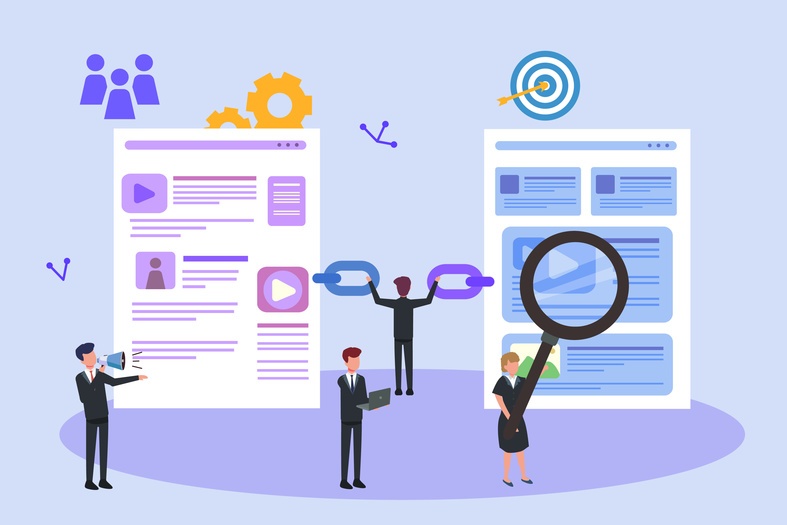
Link building is about getting other websites to link back to yours. This helps improve your site’s trustworthiness.
- Getting Quality Backlinks: Aim for links from reputable sites in your niche. Here are a few ways to do this:
- Guest Blogging: Write articles for other blogs in your industry. This helps you get backlinks and establishes you as an expert.
- Resource Pages: Find websites that list helpful resources in your field. Reach out and suggest they include your content if it’s valuable.
- Skyscraper Technique: Look at popular content in your niche, then create something even better. Share it with websites that linked to the original and suggest they link to yours.
- Internal Linking: Don’t forget about linking to your own pages. It helps users find more information and tells search engines how your pages are related.
- Monitoring Backlinks: Keep track of your backlinks using tools like Ahrefs or Moz. This can help you see which strategies are working and identify any low-quality links that could hurt your SEO.
5. Speeding Up Your Site
A fast website keeps visitors happy and helps with SEO.
- Speeding Up Your Pages: Aim for your site to load in less than three seconds. Here’s how to improve speed:
- Image Optimization: Use tools to compress your images without losing quality. Large image files can slow down your site.
- Minimize HTTP Requests: Reduce the number of elements on your pages. Combine files like CSS and JavaScript where you can.
- Browser Caching: This stores static files on users’ browsers, making future visits faster. Implementing caching can significantly improve your site’s loading time for repeat visitors.
- Core Web Vitals: These are three important metrics that measure user experience. Aim to improve:
- Largest Contentful Paint (LCP): Should be less than 2.5 seconds. This measures how long it takes for the largest image or text block to show up.
- First Input Delay (FID): Should be less than 100 milliseconds. This measures how quickly a page responds when a user interacts with it.
- Cumulative Layout Shift (CLS): Should be less than 0.1. This measures visual stability, making sure elements on your page don’t shift unexpectedly while loading.
Use tools like Google PageSpeed Insights to keep track of these metrics. Regularly testing your site’s performance will help you spot any problems before they affect user experience.
6. Using Structured Data
Structured data helps search engines understand your content better, which can lead to rich snippets.
- Implementing Schema Markup: This is code added to your website that gives search engines more details about your content. It can help your site appear more prominently in search results.
- Types of Schema: Use schema that fits your content, like Product, Article, or FAQ schema.
- Testing Your Markup: Use Google’s Structured Data Testing Tool to ensure everything is working correctly.
- Benefits of Rich Snippets: Having rich snippets can increase your click-through rates. For example, product listings with reviews and prices attract more clicks than regular listings.
7. Local SEO for Your Business
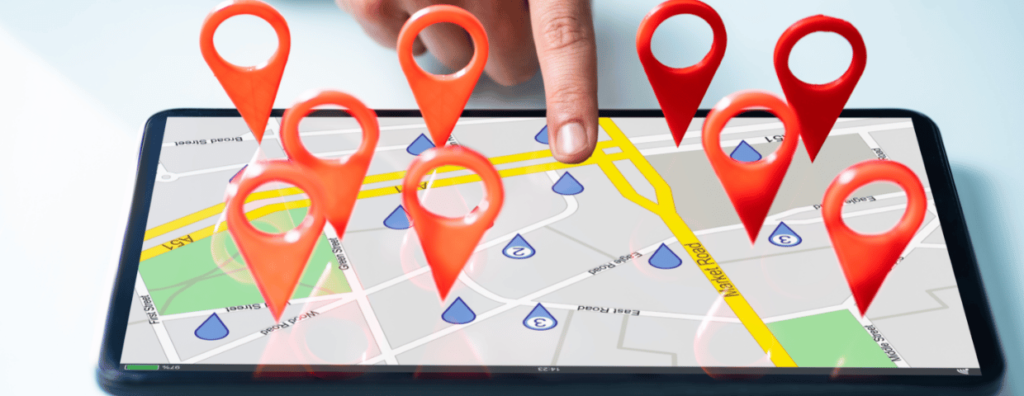
If you have a local business, optimizing for local search is essential.
- Setting Up Google My Business: Create a profile that includes your business name, address, phone number, and hours. Make sure everything is accurate.
- Using Local Keywords: Include local keywords in your content. For example, instead of just saying “coffee shop,” say “best coffee shop in [Your City].”
- Encouraging Reviews: Ask happy customers to leave positive reviews on your Google My Business page. Respond to all reviews to show you care about feedback.
8. Keeping Up with SEO Trends
SEO is always changing, so it’s important to keep learning. Here’s how to stay on top of trends:
- Follow SEO Blogs and Experts: Sites like Moz, Search Engine Land, and Neil Patel’s blog offer valuable insights. Subscribe to their newsletters to get the latest news.
- Attend Webinars and Conferences: Participate in online events to learn from industry experts. Networking with other SEO professionals can provide fresh ideas.
- Experiment and Analyze: Don’t be afraid to try new tactics. Track your results using tools like Google Analytics. Understanding what works will help you refine your SEO strategy over time.
Conclusion
Mastering SEO in 2024 involves understanding the latest strategies and applying practical tips to improve your website’s ranking. By focusing on essential techniques such as keyword research, on-page SEO, and site speed optimization, you can boost your site’s visibility in search engines and stay ahead of the competition. Remember, SEO is a continuous process, so keep learning and adapting to the latest trends.
For more insights and digital marketing services, visit Brands Growth and explore our expert solutions to help you grow your online presence.