
Mastering PPC: Your Comprehensive Guide to Effective Online Advertising
Table of Contents
I. Introduction
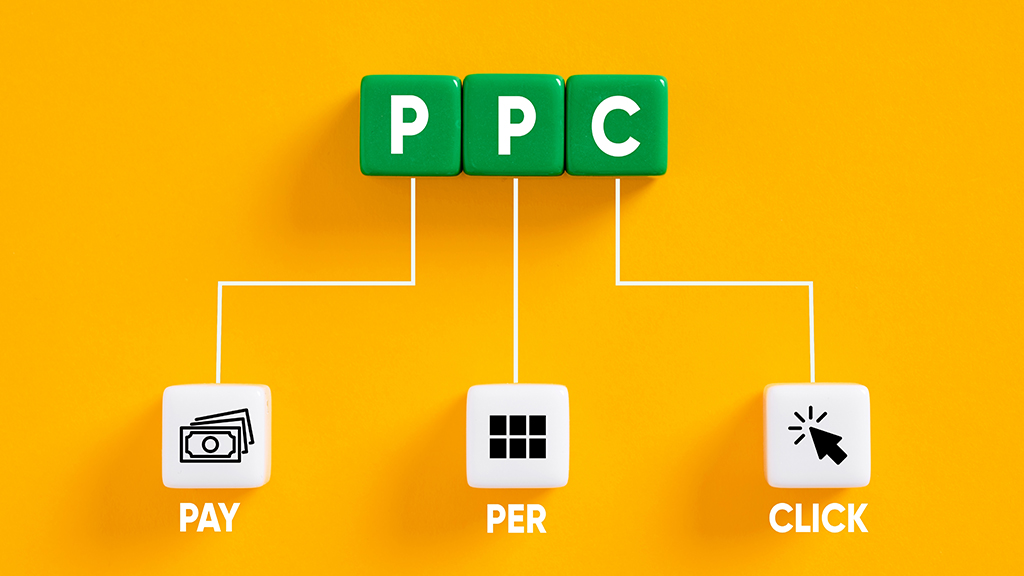
PPC, or Pay-Per-Click, is changing how businesses reach customers. Unlike traditional advertising, where you pay just to show your ads, PPC only charges you when someone clicks on your ad. This is great for small businesses that want to spend their marketing money wisely and connect with the right audience.
Learning about PPC can help you use this advertising method effectively. Whether you are a marketing expert or just starting, understanding PPC is important to stay ahead in the online world. This guide will walk you through the essentials of PPC, helping you create a strategy that not only brings clicks but also turns those clicks into loyal customers.
II. Understanding PPC Basics
What is PPC?
PPC means you pay for each click on your ads. It’s often linked with search engine advertising, especially Google Ads. Here, businesses bid on keywords so their ads show up when users search for those terms. This way, advertisers can reach people who are already interested in what they offer.
How Does PPC Work?
PPC works like an auction. You bid on keywords related to your business. The highest bidder usually gets the top spot for their ad, but having a high-quality ad matters too. Platforms like Google look at how relevant your ad is, how often it gets clicked, and how good your landing page is. This is measured with something called a Quality Score, which can affect where your ad shows up and how much you pay.
Knowing how this auction system operates is key to a successful PPC strategy. By choosing the right keywords and creating high-quality ads, you can get better positions for less money.
III. Setting Clear Objectives
It’s vital to have clear goals for your PPC campaigns. Here’s how you can define your PPC objectives:
1. Brand Awareness
If you’re launching a new product or brand, getting people to know about it is essential. Use broader keywords to reach more people. Focus on getting impressions (how many times your ad is seen) rather than clicks at first, so people become familiar with your brand.
2. Lead Generation
For many businesses, gathering leads is a top goal. Use landing pages with sign-up forms, free resources, or trials to capture leads effectively. Make sure your ads explain the benefits of signing up clearly.
3. Sales
If you want to boost sales, your PPC campaigns should highlight specific products, seasonal deals, or limited-time offers. Create ad copy that generates urgency to increase conversion rates.
4. Customer Retention
Use PPC to keep your current customers engaged. Promote loyalty programs, special deals, or related products. Retargeting ads are excellent for reminding past visitors about your brand.
5. Local Traffic
For businesses with a physical location, focusing on local keywords can draw in nearby customers. Use geo-targeting to ensure your ads reach users within a certain distance from your location.
6. Event Promotion
If you have an upcoming event, PPC can help drive attendance. Create campaigns that highlight event details and registration links, giving potential attendees all the information they need.

IV. Conducting Keyword Research
Finding the right keywords is crucial for successful PPC campaigns. Here’s a simple process to conduct effective keyword research:
1. Use Keyword Research Tools
Tools like Google Keyword Planner and SEMrush can provide valuable insights. These tools help you discover high-traffic keywords, analyze competition, and find related terms your audience might use.
2. Focus on Long-Tail Keywords
Long-tail keywords are usually less competitive and can lead to better conversion rates. For instance, instead of targeting “best coffee,” consider “best organic coffee for cold brew.” Long-tail keywords focus on specific needs and show that users might be closer to making a purchase.
3. Analyze Competitors
Check what keywords your competitors are using. Tools like SpyFu can show you which keywords bring them traffic and help you spot opportunities. Understanding what others do can help you position your ads better.
4. Organize Your Keywords
Group your keywords into themes. This organization helps you create specific ad copy and landing pages tailored to each group, improving overall relevance.
5. Continuously Update Your Keywords
Keyword performance changes over time. Regularly reviewing your keywords allows you to identify which ones aren’t working and replace them with new, relevant terms.
V. Crafting Compelling Ad Copy
Your ad copy should be catchy and relevant to attract clicks. Here are some tips for writing effective ad copy:
1. Write Attention-Grabbing Headlines
Your headline is the first thing users see, so make it engaging. Use strong verbs, numbers, or questions to catch attention. For example, “Unlock 20% Off Your First Purchase!” is likely to grab interest.
2. Include a Clear Call to Action (CTA)
A clear CTA tells users what to do next. Use phrases like “Shop Now,” “Sign Up Today,” or “Get Your Free Quote” to guide users toward the action you want them to take, which can improve your conversion rates.
3. Highlight Unique Selling Points
Make sure your ads clearly show what makes you special. This could include benefits like free shipping, a money-back guarantee, or 24/7 customer support. Your unique points help you stand out from the competition.
4. A/B Testing
Test different versions of your ad copy. By trying out different headlines, CTAs, and descriptions, you can find out what works best for your audience and improve your ads.
5. Keep It Concise
Due to character limits in PPC ads, your copy must be brief. Get to the point while keeping it clear. Avoid jargon and use simple words your audience will understand.
6. Incorporate Keywords
Naturally include keywords in your ad copy to enhance relevance and improve your Quality Scores. Make sure your keywords fit smoothly into your message without sounding forced.
VI. Optimizing Landing Pages
A good landing page can significantly impact your PPC success. Here’s how to make your landing pages more effective:
1. Ensure Relevance
The landing page should match what your ad promises. If your ad promotes a specific product, users should land on a page about that product with all the relevant details.
2. Design for Conversion
A well-designed landing page should lead users toward taking a specific action. Use a clean layout, clear headlines, and strategic placement of CTAs to guide users through the conversion process.
3. Mobile Optimization
With more people using mobile devices, optimizing your landing pages for mobile is crucial. Ensure your pages load quickly and look good on all screen sizes for a seamless experience.
4. Use Trust Signals
Adding elements like customer reviews, testimonials, and security badges can build trust. Users are more likely to convert if they see positive experiences from others.
5. Analyze Landing Page Performance
Keep an eye on key metrics like bounce rates and time spent on the page. Use this data to make improvements and enhance user experience. Testing different landing page elements can also yield valuable insights.
VII. Budgeting and Bidding Strategies
Managing your PPC budget wisely is key to success. Here’s how to handle budgeting and bidding:
1. Determine Your Budget
Your budget should align with your overall marketing plan and goals. Decide how much you can afford to spend daily or monthly, ensuring it matches your PPC objectives.
2. Choose a Bidding Strategy
Selecting the right bidding strategy is important. Here are some options:
- CPC (Cost-Per-Click): Best for driving traffic to your site. You pay for each click on your ad.
- CPM (Cost-Per-Thousand Impressions): Suitable for brand awareness campaigns, where visibility matters more than clicks.
- CPA (Cost-Per-Acquisition): Focuses on conversions, so you only pay when a specific action is completed.
3. Adjust Bids Based on Performance
Analyze your ads regularly to see which ones perform well and which don’t. Increase bids for ads that generate lots of clicks and conversions, and reduce bids for those that aren’t doing well.
4. Implement Bid Strategies
Consider using automated bidding strategies, like target CPA, which adjusts bids automatically based on your conversion goals. This method can help you use your budget more effectively.
5. Monitor Competitors
Keep an eye on your competitors’ bidding strategies. If they raise their bids on certain keywords, you may need to adjust yours to stay competitive and maintain your ad visibility.

VIII. Analyzing and Optimizing Performance
Regularly analyzing your performance is vital for ongoing improvement. Focus on these key metrics:
1. Key Metrics to Track
- Click-Through Rate (CTR): This shows how well your ad is generating clicks. A high CTR means your ad is relevant and interesting to users.
- Conversion Rate: This measures the percentage of clicks that lead to the action you want. A high conversion rate indicates your landing page is effectively converting visitors.
- Cost-Per-Conversion: This tells you how much you spend, on average, for each conversion. Understanding this number helps you assess how cost-effective your campaigns are.
2. Adjusting Based on Data
Use your performance metrics to make informed decisions. If a keyword or ad group isn’t working, consider changing your targeting, ad copy, or bidding strategy.
3. Split Testing
Conduct A/B testing on different elements, such as ad copy, visuals, and landing page designs. This experimentation allows you to identify which combinations yield the highest engagement and conversions. Implementing successful variations can dramatically improve your overall campaign performance
Conclusion
In conclusion, mastering PPC advertising requires a blend of strategic planning, ongoing analysis, and creative execution. By setting clear objectives, conducting thorough keyword research, crafting compelling ad copy, optimizing landing pages, managing budgets effectively, and analyzing performance, businesses can unlock the full potential of PPC advertising.
You can use these strategies to enhance your digital marketing efforts, connect with your target audience, and drive meaningful results. With a solid understanding of PPC principles, you’re well-equipped to navigate the competitive landscape and achieve your marketing goals. For more expert insights, visit Brands Growth.